


The Trojan Horse in Flannel: How Nirvana Sold Nihilism to the Masses
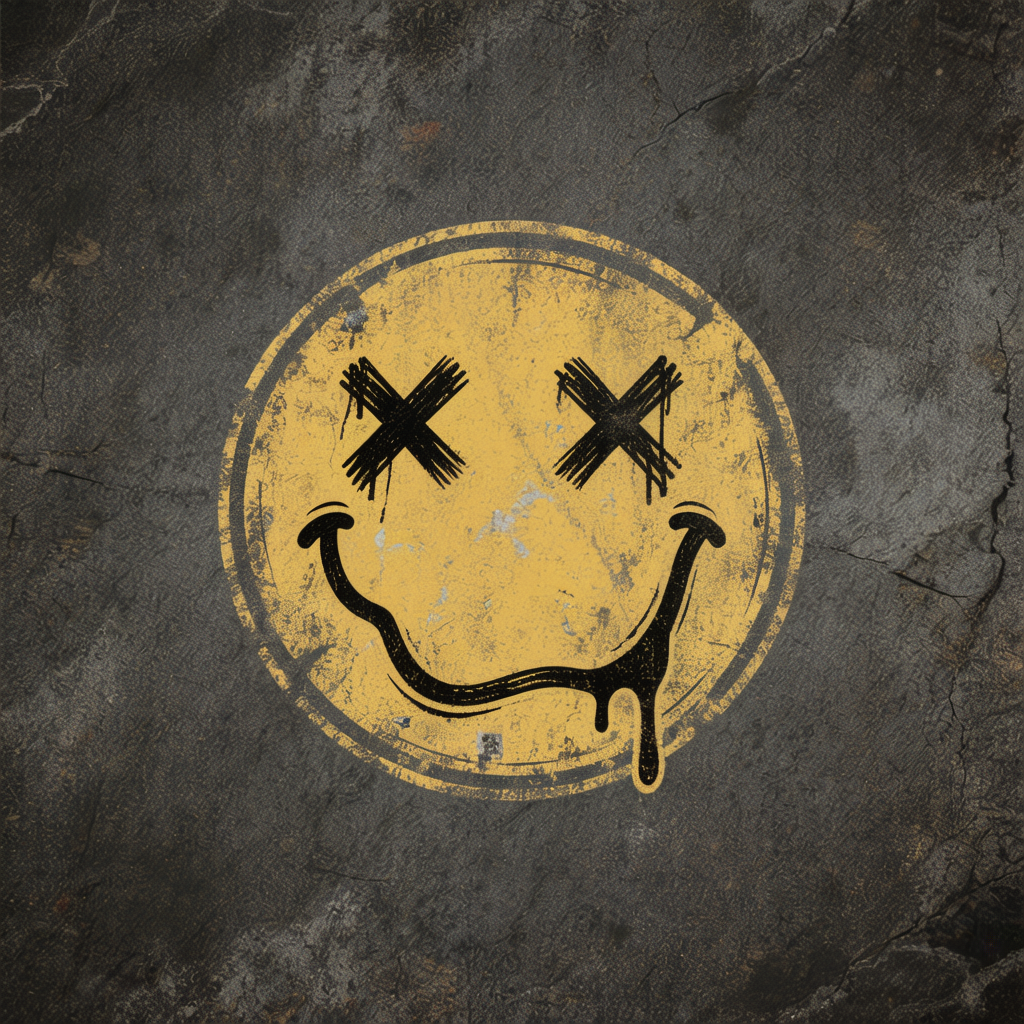
The Trojan Horse in Flannel: How Nirvana Sold Nihilism to the Masses
The 1980s did not end on New Year's Eve 1989. They ended on September 29, 1991, the day the video for "Smells Like Teen Spirit" entered heavy rotation on MTV.
Before that specific week, the American rock mainstream was a bloated, hedonistic carcass. It was the era of Hair Metal—bands like Poison and Warrant who sold a fantasy of unending parties, misogyny, and Aqua Net. It was music for people who wanted to pretend everything was fine.
Then came the F-chord heard 'round the world.
Nevermind was not just a changing of the guard; it was a public execution. When Kurt Cobain, Krist Novoselic, and Dave Grohl burst onto the screen in a haze of sepia smoke and anarchic cheerleaders, they didn't just outperform their predecessors; they rendered them culturally illegal. Almost overnight, the spandex and pyrotechnics of the Sunset Strip looked ridiculous, like clowns at a funeral.
But the brilliance of Nevermind—and its eventual tragedy—lies in its sonic deception. We remember it as the triumph of the underground, but in reality, it was a masterclass in pop production. Producer Butch Vig took the raw, jagged alienation of the American punk scene (the Pixies, Hüsker Dü) and polished it with a sheen so bright it blinded the radio programmers.
This was the Trojan Horse. Cobain wrote songs about apathy, self-loathing, and the grotesquerie of corporate America, but he packaged them in melodies that were as catchy as The Beatles. He tricked the world into singing along to its own demise. "Here we are now, entertain us" became the mantra of Generation X—a sarcastic plea from a demographic that realized they had been sold a future that didn't exist.
The album’s "loud-quiet-loud" dynamic was more than a compositional trick; it was the sonic manifestation of manic depression. It mirrored the mood swings of a generation trapped between the cynicism of the Cold War and the hollowness of consumer culture.
However, the success of Nevermind created a paradox that Cobain could not survive. He wanted to destroy the establishment, but he did it so well that he became the establishment. The jocks and bullies he wrote songs about were now in the front row, wearing his t-shirts. The anti-corporate rage was packaged, barcoded, and sold at Walmart.
By turning alienation into a commodity, Nevermind proved that capitalism can absorb any critique, no matter how venomous. It marked the moment when "Alternative" ceased to be a lifestyle and became a marketing category. Kurt Cobain lit a match to burn down the rock star mythos, but the flames only made him the brightest star in the sky. He died trying to escape the monster he built, leaving behind a masterpiece that remains the most beautiful, angry, and profitable suicide note in history.

 English
 Arabic
 Spanish
 Portuguese
 Deutsch
 Turkish
 Dutch
Dutch
 Italiano
 Russian
 Romaian
 Portuguese (Brazil)
 Greek
Greek