


The Technical Ecstasy of Death
The Surgeon’s Scalpel: Precision in the Face of Chaos
To the uninitiated, death metal sounds like a construction site disaster. It is chaotic, abrasive, and seemingly structureless. But this is the great deception of the genre. Underneath the blast beats and the guttural vocals lies a level of musical sophistication that rivals jazz fusion or classical composition.
Look at the legacy of Chuck Schuldiner and the band Death. Look at the rhythmic complexity of Meshuggah or the progressive tapestries of Opeth. This is not noise for the sake of noise. This is high-art mathematics played with brute force.
Death metal is the exploration of the limits of human physical capability. How fast can the feet move? How precise can the picking hand be? It is an athletic performance as much as a musical one. It treats the guitar not as a strummy folk instrument, but as a machine gun.
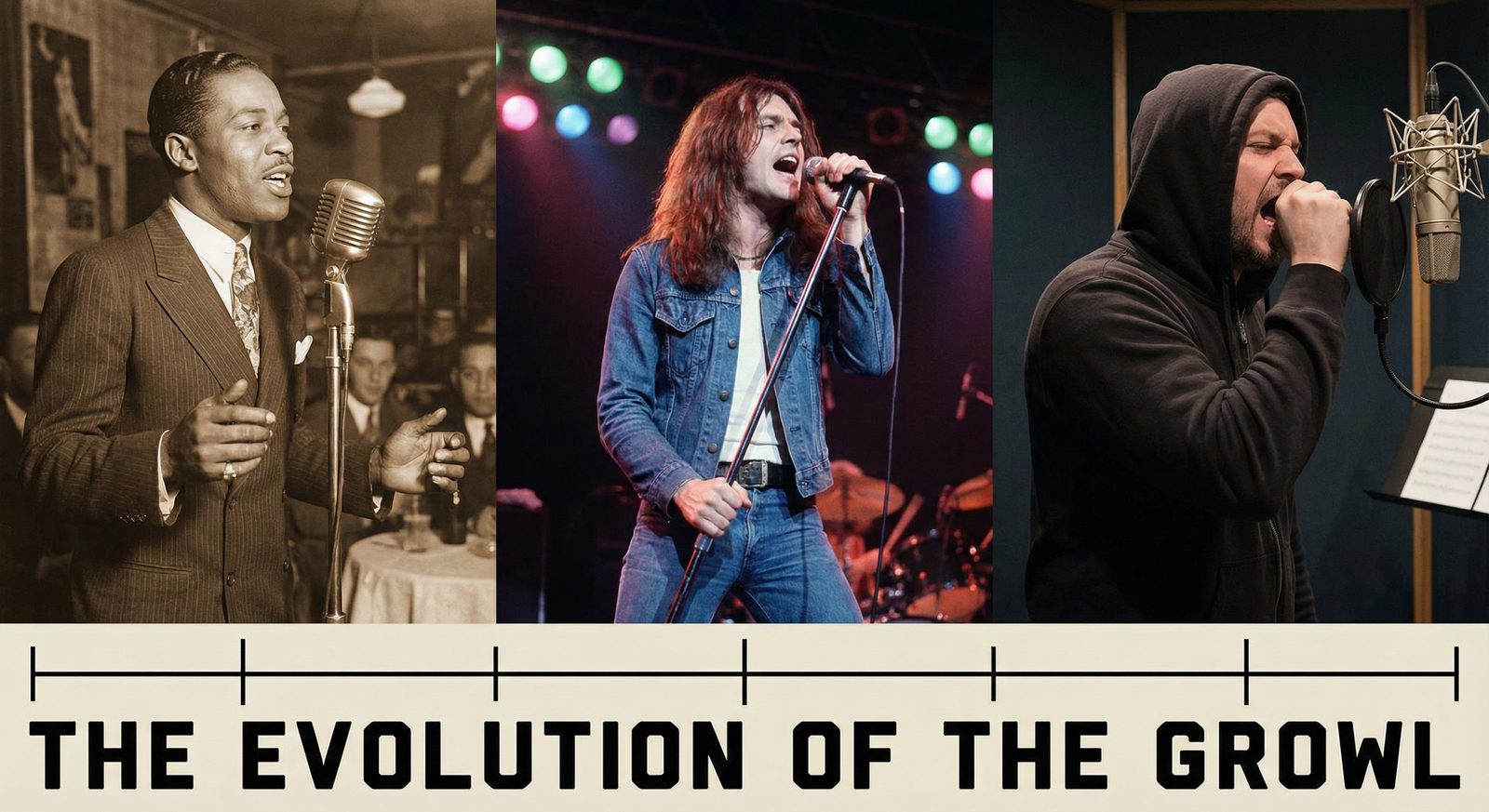
But what about the vocals? The growl. The scream. Critics dismiss it as "cookie monster" noises. They are wrong. In this context, the voice is not a vehicle for melody; it is a percussion instrument. It is a texture. If you put clean, soaring vocals over a Necrophagist riff, it would sound ridiculous. The music demands a voice that sounds like a monster because the music sounds like the end of the world.
There is a wisdom in this aggression. It acknowledges that human beings are capable of great violence and anger. Instead of suppressing that, Death Metal builds a cage for it. It constructs a complex, technical maze where we can release that aggression safely.
It is the paradox of control. The music sounds out of control, but to play it requires absolute, disciplined control. In that discipline, we find our freedom.

 English
 French
 Spanish
 Portuguese
 Deutsch
 Turkish
 Dutch
Dutch
 Italiano
 Russian
 Romaian
 Portuguese (Brazil)
 Greek
Greek